Why less?
The overflowing bath
In sustainability and design circles, there is a common analogy often attributed to Micheal Braungart (co-author of Cradle to Cradle). Imagine walking into your bathroom to find the bath overflowing, water cascading over the brim and heading for the stairs. In your panic, do you reach for a teaspoon to start bailing out? Or for a mop to soak up the flood? Eventually you may, but the first thing you do is turn off the tap.
The overflowing bath is a metaphor for the excess of waste, with the teaspoon (and mop) as recycling and the tap as the source of the waste.
The collective strategy projected to the consumer is to obsess over the teaspoons, to sell us compostable coffee pods rather than admit the entire business model relies on planned obsolescence (the marketing strategy of intentionally designing products with a limited lifespan).
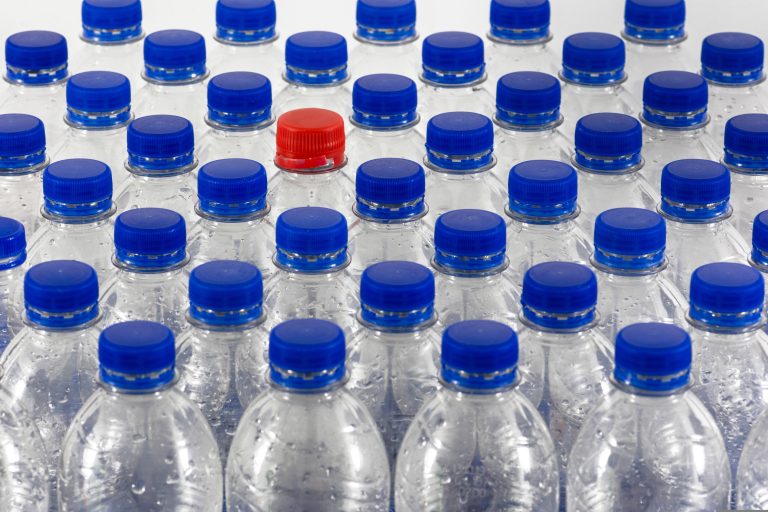
In the mid-twentieth century, we started to use more disposable packaging. In response to legislation banning single-use bottles, the Keep America Tidy campaign (formed by a coalition including Coco-Cola and PepsiCo) coined the phrase ‘litterbug’ (over here we had Keep Britain Tidy and the tidyman logo) and the onus of waste was shifted from the manufacturer to the consumer. We were encouraged to tackle the increasing problem of overflowing waste with a teaspoon.
The fundamental concept of the bath analogy is that we are focussing our efforts downstream – ie, on the consumer’s handling of the waste. We need to be focussing upstream – on the design of products and their packaging, on the fact that 90% of a product’s environmental impact has already occurred before you even buy it. To solve the waste crisis, we need to stop trying to be better at cleaning up the mess, and start designing it out of existence.
As consumers, of course we can make choices that make a small difference. We can choose to buy loose apples or pre-owned clothes, but the real cry for change needs to be directed upstream. The decisions on waste production are made in boardrooms. We aren’t just choosing to be wasteful; we are living in a system that makes waste unavoidable. We need to talk about government strategy and manufacturing, not just recycling.
The philosophy of less
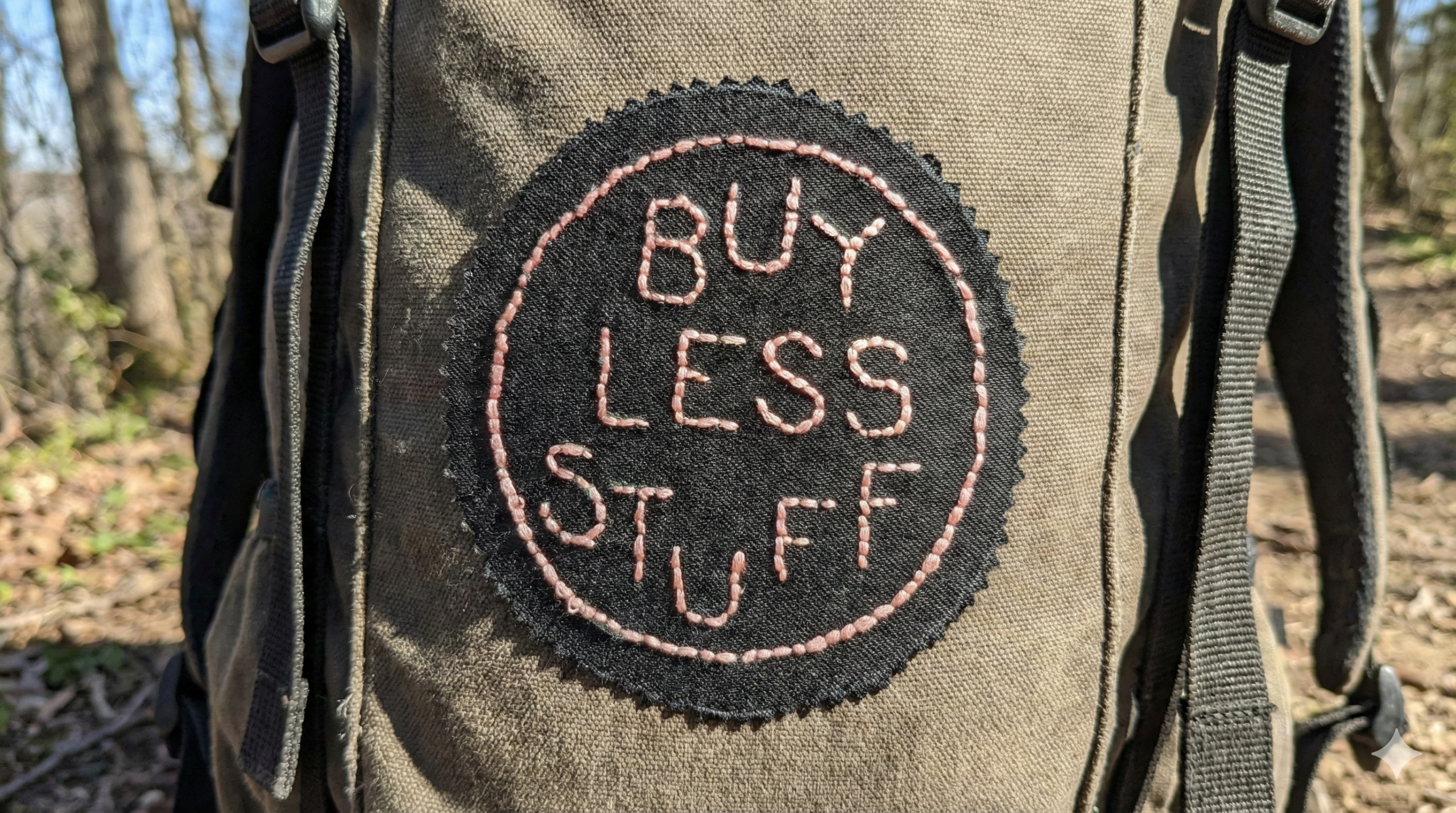
The waste problem starts with how products are made. In a system that profits from disposability, the most radical thing you can do isn’t to buy a better thing, but to refuse the need for a thing at all. I am choosing to buy less but my mission is Pressing for Change.
The problem isn’t that we don’t care; it’s that the system is designed for disposal. We’ve been conditioned to think that our only power is as consumers – deciding which green product to buy next. But real change happens when we stop asking ‘how do I recycle this?’ and start asking ‘why was this allowed to be made in the first place?’
My journey
I’m starting with 2026. I have too much ‘stuff’ already so I’m looking forward to handing many perfectly good things on to other people, through charity collections, Re-use shops, Vinted and even as gifts. Buying less doesn’t mean buying nothing. But, after considering all the alternatives – including buying nothing – I will buy only what I need, when I need it. I’m far from perfect and I know it’s a challenge, but I’m looking forward to gaining back the space and the headspace that is often invaded by things we don’t need. A friend told me “There is a radical quietness in deciding you already have enough. It stops the constant noise of the next upgrade.” I’m looking forward to this.
Modern life sells us convenience. In the last 70 or so years we’ve forgotten how to repair and to re-use. Upcycling isn’t just a twenty-first century trend, it’s what humans have been doing for millenia: repurposing bones into tools; carving ship timber for use in architecture and church pews; and if you’re as old as me, you may remember the Rag and Bone Man. In choosing to mend, reuse, or simply do without, we move from being passive consumers to active, enabled citizens.
So, let’s stop squeezing out the bathmat. I will still use my ‘teaspoon’ – I’ll recycle my tins and Vinted my clothes – but I’m beyond believing that my spoon is the solution to a flood. Together, let’s focus on the head of the stream. By choosing to buy less, I am reclaiming my own space, but by pressing for change upstream, I am joining the effort to finally turn off the tap.