Let’s stop saying ‘single use’
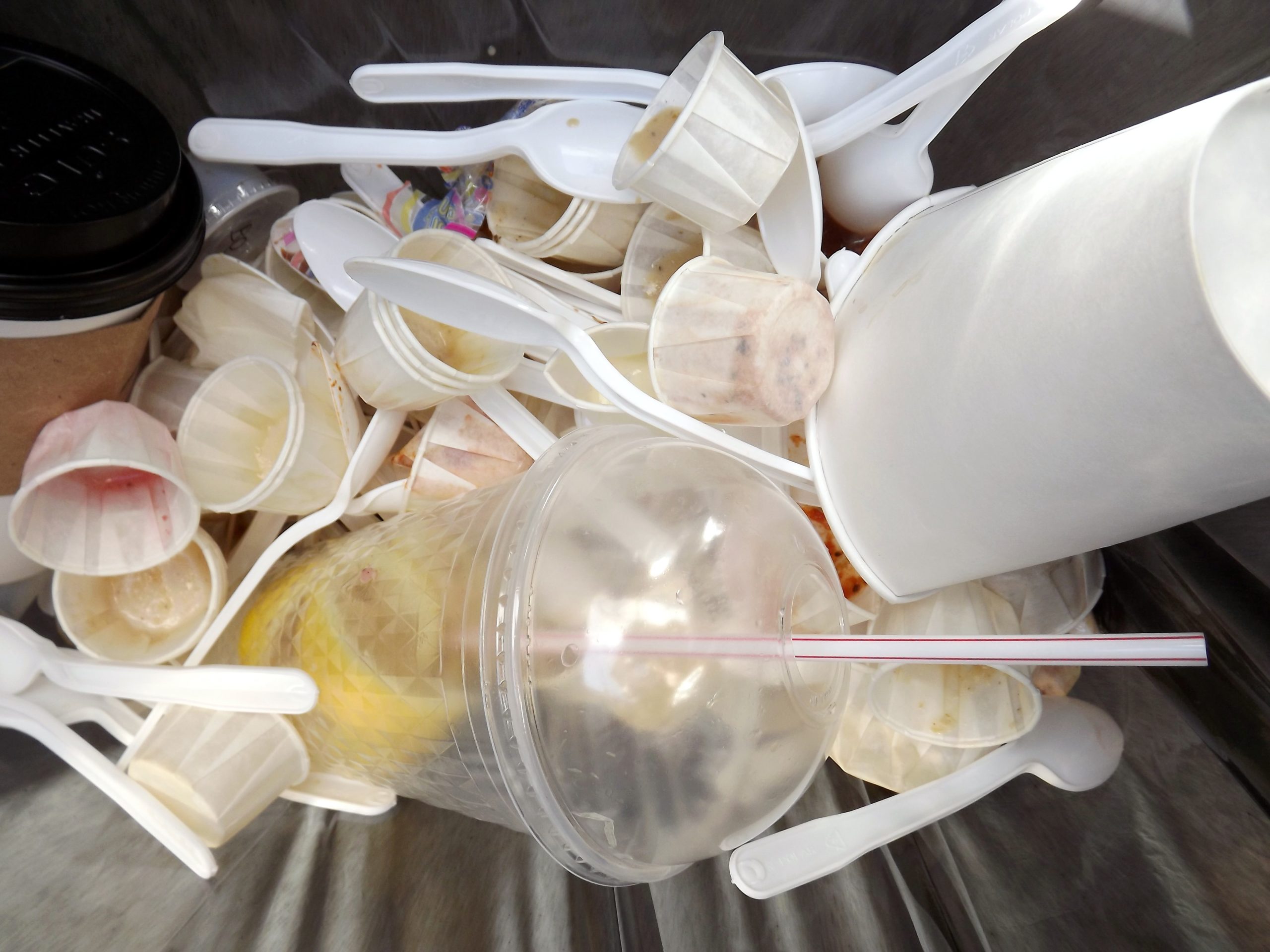
We’re all familiar with the term ‘single-use packaging’, especially in reference to plastics. Generally it means ‘disposable’. The cellophane wrapper that your supermarket apples came in has served its purpose. However careful you were in opening the bag, it’s highly unlikely you’ll use the bag again so it goes in the bin – destination recycling depot. That was the wrapper’s single purpose – to carry your apples home from the supermarket. Done.
The term ‘single-use’, in reference to plastics, was first coined by the medical industry in the 1960s. Single-use medical items such as syringes and catheters were now hygienic. No longer was there a lengthy sterilising process. Items could be used once and then disposed of. ‘Single-use plastics’ was a positive term.
Only recently has the phrase been rebranded from having a positive connotation to being something harmful and wasteful. In 2017, the BBC’s Blue Planet brought into our living rooms an ocean of carrier bags, plastic straws and take-away cartons floating alongside turtles and seahorses.
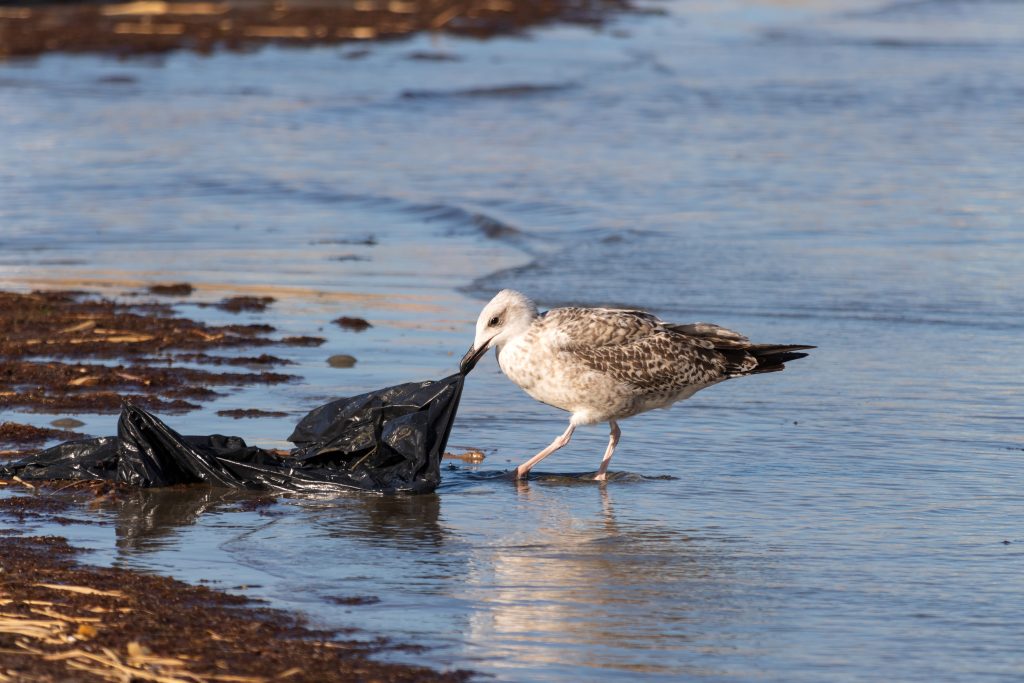
Image by Ilie Barna from Pixabay
Suddenly, the tide turned on throwaway plastic. Everyone – from journalists and influencers to schoolchildren and pensioners – declared war on disposable packaging, starting with the humble drinking straw. The shift was undeniable. In 2018, ‘single-use’ was crowned Collins Dictionary’s Word of the Year, transforming a technical industry term into the global byword for pollution.
We’re all aiming to reduce plastic usage, and ultimately landfill and pollution. So, what’s the problem with the term ‘single-use’? Of course we should be cutting down (even eliminating) single-use items, but what about everything else?
Plastics in general are not recycled (ie, made into something of the same value and purpose) but downcycled to other (lesser) items such as clothing and park benches, then finally not repurposed at all, but to energy-from-waste incinerators and then the ashes to landfill.
Materials such as aluminium and glass are infinitely recyclable. This means you could be drinking from a bottle with molecules that were first in a glass bottle a hundred years ago, and could still be made into bottles in another hundred or even a thousand years from now.
So, something made of plastic, such as a sports bottle, tupperware or even polyester clothing wouldn’t be classed as single-use because you would use it many times (hopefully) before it cracks, tears or is otherwise unfit for purpose. Yet, even if you dispose of your many-use product responsibly and it ends up being ‘recycled’, this is only delaying its ultimate fate in landfill, or dare I say – the ocean. The plastic molecule may have been molded into 3 or 4 different products, but compare this to the life of glass. Infinity minus a four is still infinity. Plastic will always be inferior.
In addition to this, plastic is not inert. It is constantly shedding micro-plastics which are polluting the environment and the food or whatever else that they come into contact with. By fighting single-use plastics, we are missing the point. We are losing sight of the bigger picture. Fixating on ‘single-use’ plastics is a dangerous distraction. It implies that if we keep the plastic longer, the problem is solved. It isn’t. We need to widen our scope to the entire polymer economy, because as long as we keep producing the material, we keep feeding the crisis. The enemy is not ‘single-use.’ The enemy is plastic.